INTRODUCTION SITES
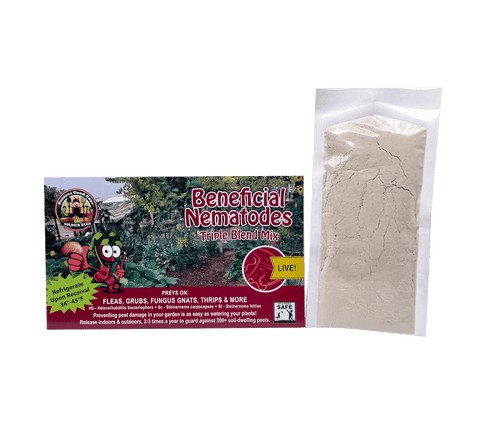
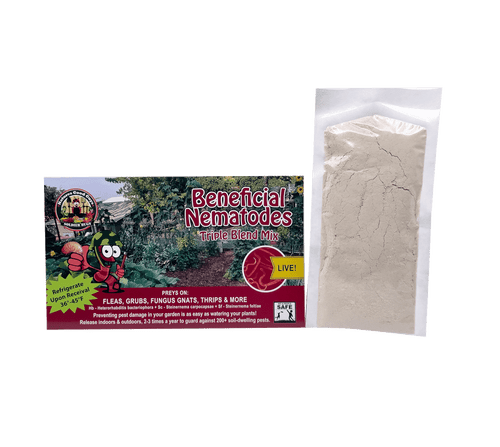
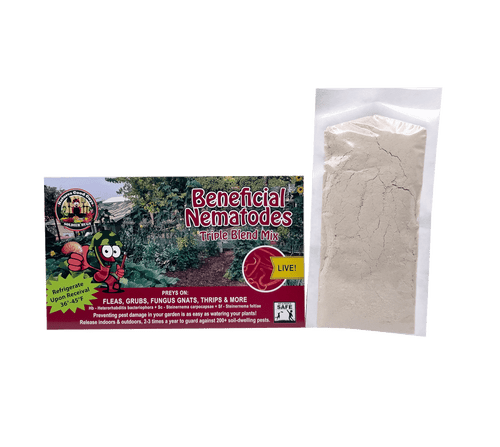
Beneficial Nematodes can be used indoors, outdoors, or anywhere that developing pests exist. Use in gardens, greenhouses, indoor grows, houseplants, lawns, orchards, vineyards, and more!
SOIL TEMPERATURE
Soil above 53°F
INTRODUCTION RATES
Preventative/Light: 5 million per 1,250 sq. ft.
Moderate/Heavy: 5 million per 250 sq. ft.
INTRODUCTION FREQUENCY
Seasonal application recommended for prevention. Weekly to monthly application recommended for active infestations. Adjust as necessary.
It's important to note that these introduction rates serve as general guidelines and may vary based on the specific pest species, the crop or plant being treated, and level of infestation. Proper monitoring of the infestation and the subsequent effectiveness of the released beneficial insect population is crucial for determining the success of the biological control strategy.
Releasing Beneficial Nematodes in your garden or farm is a simple process. You can opt for a standard watering can or select from our range of application tools. Our hose-end sprayer or pump sprayer are ideal for applying nematodes.
ACTIVATED NEMATODE STORAGE
Once activated, introduce within 1 hour. Store activated nematodes for no longer than 6 hours.
Easy release powder dissolves quickly and is trusted by professionals for its effectiveness. Nematodes work well in different temperatures and adapt to various weather conditions with ease.
Beneficial nematodes are microscopic worms found in soil that target young stages of pest insects, like larvae, grubs, nymphs, and pupae. These helpful creatures rely on moisture to move around and locate their prey. If it’s too dry, they can’t move well, and if it’s too wet, they might drown or get washed away.
Their life cycle starts when female nematodes lay eggs, which hatch into non-feeding juveniles. These juveniles molt several times until they become hungry infective juveniles. They actively search for hosts, enter them, and release bacteria that kill the pests. Within a few days, the infected insect dies, and the juveniles feed on it. This cycle repeats until conditions change.
When the food is gone, adult nematodes mate, and the females lay eggs, beginning the cycle again. This process repeats as long as the conditions remain suitable.
All sales are final.